- News article
Prevention is an investment, not a cost

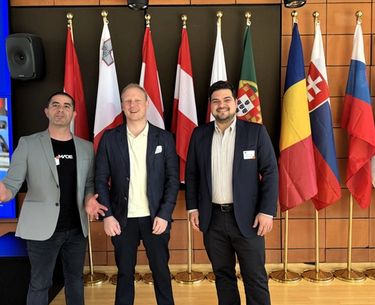
Since January 2023, the Invest4Health project has been working on a question that has plagued health systems across Europe for a long time: why is it so difficult to fund preventive health interventions?


Written by
Theologos (Theo) Xenakis
The answer often comes down to who pays, who benefits and in which time-frame. When a community invests in prevention, the payoff can show up somewhere else entirely in the system — maybe in specialist care, maybe in welfare budgets, maybe ten years down the line. Whoever foots the bill is rarely the one who sees the result. That turns prevention into a cost on paper, even though it pays off for society as a whole.
The Invest4Health project, which brings together partners from across Europe including Norway Health Tech, has spent the last three years testing new ways to solve this. The core concept behind the work is called Smart Capacitating Investment, or SCI. In short, it's about mobilizing both public and private resources toward a shared goal: strengthening citizens' health and reducing health inequalities, often by redirecting resources that already exist rather than simply finding new money.
The researchers behind the concept, led by Maureen Rutten-van Mölken, describe SCI as investments that build the capacity of individuals and communities to live healthier lives and to influence what actually shapes our health — often far beyond the doctor's office.
Tested across Europe
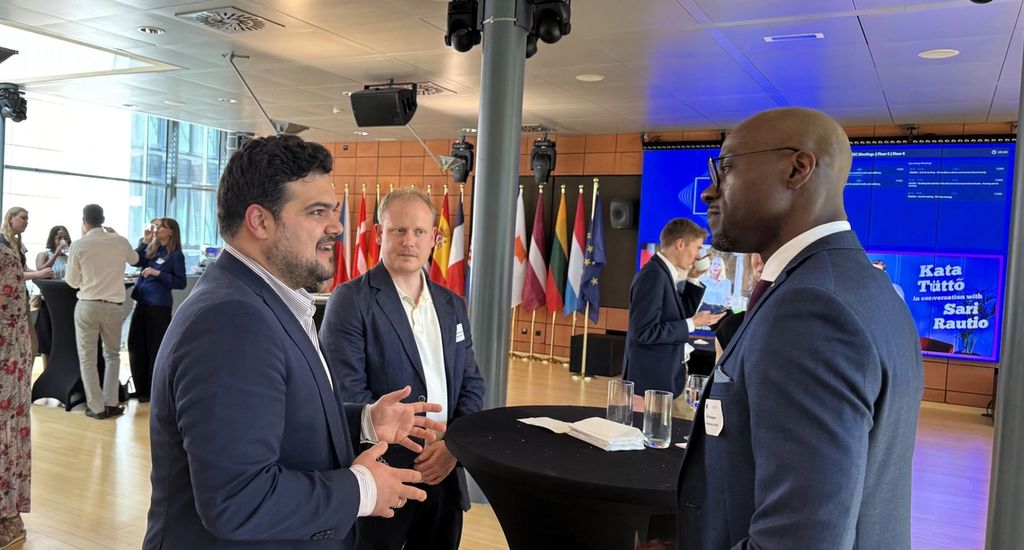
The project hasn't been just theory. Eight testbeds across different European regions have put the models into practice, and the result is gathered in what's known as the SCI package: scientific publications, tools for evaluation and financing, competence-building activities, and a prototype digital collaboration platform. Norway Health Tech led the work of compiling the SCI package and ensuring it can be put to use going forward, after the project formally ends.
The Invest4Health consortium now invites other projects, decision-makers, and industry players to build on this work — with the goal that prevention will eventually be treated for what it really is: an investment in the future of health, not an expense to be cut when budgets tighten.
To learn more about the project, contact EU Project Manager Theologos Xenakis. More information and project resources are available on the Invest4Health website.

References useful links
[1] Koleva-Kolarova, R., Hulse, E., Németh, B., Rutten-van Mölken, M., Edwards, R. T., Babarczy, B., Nagy, B., Wordsworth, S., Tsiachristas, A., & Invest4Health consortium (2026). Towards a Multi-sectoral Approach to Population Health: A Scoping Review of Cross-sectoral Evaluations of Health Interventions. Applied health economics and health policy, 24(3), 479–497. https://doi.org/10.1007/s40258-025-01023-1
[2] Rutten-van Mölken, M., Whiteley, H., Babarczy, B., Davies, J., Goossens, L., Papartyte, L., Maassen, A., Nagy, B., Wright, S., Tudor-Edwards, R., & the Invest4Health consortium (2025). Broadening sources of finance for health promotion and disease prevention: Smart capacitating investment. European Journal of Health Economics. Advance online publication. https://doi.org/10.1007/s10198-025-01874-4